LL-37: Is There A Peptide For Alzheimer’s Disease?
LL-37 and Alzheimer’s disease: Research overview
LL-37 is an antimicrobial peptide produced by the human innate immune system. It is best known for its role in host defense, but researchers are also investigating its interactions with amyloid-beta (Aβ), a protein fragment involved in the development of Alzheimer’s disease.
LL-37 may act as a natural inhibitor of amyloid-beta (Aβ) and may help neutralize Aβ’s harmful effects on the brain.
Research headed by an engineering professor at Stanford looks promising...
Stanford bioengineering professor Annelise Barron is investigating a potential new approach to Alzheimer’s disease by harnessing the immune system. Her research suggests that LL-37, a naturally occurring immune peptide, may help counteract the harmful effects of amyloid-beta (Aβ), a peptide associated with Alzheimer’s. Her team is testing an oral combination therapy in mice designed to activate LL-37 in the brain and body. Although the research is still experimental, it could eventually lead to a new therapeutic approach for Alzheimer’s.
Key studies on LL-37 and Alzheimer’s disease
The key research question: Can LL-37 bind to amyloid-beta, alter its aggregation, or help the body clear harmful forms of Aβ in ways that protect the brain?
The research is particularly interesting because it points in two potentially opposing directions: LL-37 may interfere with amyloid-beta aggregation, but excessive LL-37 activity may also promote neuroinflammation and neurodegeneration.
Important Note: An important distinction is that promising laboratory findings do not establish that increasing LL-37 will prevent or treat Alzheimer’s disease in humans. The effects may depend on peptide concentration, aggregation state, inflammation, and the biological environment. This research describes possible biological mechanisms. It does not establish that increasing LL-37, taking peptide supplements, or treating infections can prevent or reverse Alzheimer’s disease.
1. LL-37 binds amyloid-beta and inhibits fibril formation
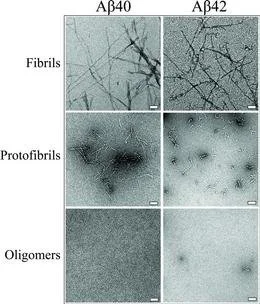
2017 · In vitro study
Study: Evidence that the Human Innate Immune Peptide LL-37 may be a Binding Partner of Amyloid-β and Inhibitor of Fibril Assembly. Researchers found that LL-37 binds Aβ42 and alters its structural assembly. LL-37 inhibited the formation of long amyloid fibrils, changed Aβ42’s secondary structure, and reduced certain toxic effects when the peptides were combined before exposure to cultured cells.
Why it matters: This is the foundational evidence supporting the idea that LL-37 may have a protective, amyloid-modulating role.
Study’s Conclusion: Based on this body of evidence, we propose that LL-37 and Aβ42 may be natural binding partners, which implies that balanced (or unbalanced) spatiotemporal expression of the two peptides could impact AD initiation and progression.
PMID: 28731438
2. LL-37 may promote Alzheimer’s-related pathology
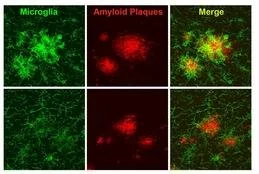
2 022 · Animal and mechanistic study
Study: Human antimicrobial peptide LL-37 contributes to Alzheimer’s disease progression.
Published in Molecular Psychiatry, this study found that LL-37 activated the CLIC1 pathway in microglia, contributing to microglial overactivation, neuroinflammation, and neuronal excitotoxicity. In mouse and monkey models, LL-37 exposure was associated with increased Aβ, tau pathology, neuronal injury, and cognitive impairment.
Blocking the LL-37–CLIC1 interaction or deleting CLIC1 reduced these effects in the experimental models.
Why it matters: This is a major counterpoint to the 2017 findings. LL-37’s effects may depend on its concentration, location, and inflammatory context. It also suggests that the origin of Alzheimer’s disease may be infectious.
PMID: 36138130
3. Higher circulating LL-37 associated with cognitive decline

2023 · Human observational cohort
Study: Associations of Serum Antimicrobial Peptide LL-37 with Longitudinal Cognitive Decline and Neurodegeneration Among Older Adults with Memory Complaints.
Researchers followed 357 older adults with memory complaints for two years. Higher baseline serum LL-37 was associated with greater odds of a decline of at least three points on the MMSE (OR 2.11; 95% CI 1.32–3.38). Higher levels were also associated with greater increases in neurofilament light and phosphorylated tau-181.
However, the adjusted difference in the overall MMSE decline slope between the high- and low-LL-37 groups was not statistically significant.
Why it matters: Human observational findings do not support assuming that higher systemic LL-37 is necessarily beneficial. They also cannot establish that LL-37 caused the decline. The results of this study again suggest that the origin of Alzheimer’s disease may be infectious.
PMID: 37066916
4. LL-37 co-expression reduced Aβ42-related harm in fruit flies
2024 · Preprint; experimental model

Study: In vivo Co-Expression of LL-37 with Aβ42 in a Transgenic Drosophila Model of Alzheimer's Disease Attenuates the Deleterious Effects of Amyloid-β42.
This research from Barron and colleagues reported that co-expressing LL-37 with Aβ42 attenuated some of Aβ42’s harmful effects in a transgenic fruit-fly model.
Why it matters: It extends the protective hypothesis beyond test-tube experiments into a living organism. However, a fruit-fly model is not equivalent to treating Alzheimer’s in humans, and the report was listed as a preprint on the lab’s publication page.
Find the paper in the Barron Lab publication list
5. Pathogen-related disruption of innate immunity and Alzheimer’s disease
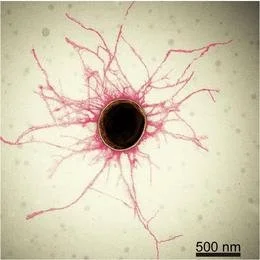
2026 · Perspective article
Study: The dysregulation of innate immunity by Porphyromonas gingivalis in the etiology of Alzheimer's disease.
Barron and colleagues discuss a hypothesis in which enzymes called gingipains, produced by the oral bacterium Porphyromonas gingivalis, may degrade or deactivate LL-37 and other immune proteins. The authors propose that pathogen-related disruption of innate immunity could contribute to infection, amyloid accumulation, neuroinflammation, and neurodegeneration.
Why it matters: This offers a broader framework for understanding how LL-37, antimicrobial defense, oral pathogens, and amyloid biology might interact. It is a perspective synthesizing evidence and proposing a disease mechanism, not proof that this sequence causes Alzheimer’s in humans.
PMID: 41424314
6. Amyloid-Beta and LL-37: Could the Immune System Help Protect the Brain?
Study: β-Amyloid (Aβ) and Human Cathelicidin LL-37: Two Sides of the Same Coin?
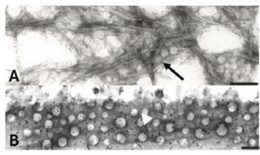
Potential Benefits
Natural defense against infections: Both Aβ and LL-37 may help the body fight harmful microbes.
Interaction with amyloid-beta: LL-37 can bind to Aβ and change how it clumps together.
Immune protection: Under normal conditions, these peptides may help protect the body and brain.
When Protection May Become Harmful
Chronic infection or immune imbalance: Problems may arise when the immune system remains activated for too long.
Brain inflammation: LL-37 can activate immune cells in the brain, causing them to release inflammatory chemicals.
Potential damage to brain cells: Prolonged inflammation may contribute to the processes involved in Alzheimer’s, Parkinson’s, and other neurodegenerative diseases.
Why it matters: Scientists are beginning to recognize that amyloid-beta may not be simply a harmful substance. It may also serve as part of the brain’s natural defense system. However, when immune activity becomes prolonged or poorly regulated, these same protective mechanisms may contribute to inflammation and damage.
Understanding how LL-37 and amyloid-beta interact could help researchers identify new approaches to protecting brain health.
PMID: 42353177
Clinical implications and the next research questions
The most important unresolved issue is whether LL-37 has a dose-, location-, and context-dependent effect. Its ability to bind Aβ does not necessarily mean that administering more LL-37 will be beneficial. A peptide that alters fibril formation may also affect inflammatory signaling, neuronal function, or other processes.
The next steps would include determining:
Which concentrations and molecular forms of LL-37 are protective versus harmful.
Whether the peptide reaches the relevant brain compartments at therapeutic concentrations.
Whether LL-37 changes Aβ clearance, soluble oligomers, plaque burden, tau pathology, and cognition in established Alzheimer’s models.
Whether a therapy that increases endogenous LL-37 can produce reproducible benefits without aggravating neuroinflammation.
Whether these findings translate into safety and efficacy in human clinical trials.
Bottom line:
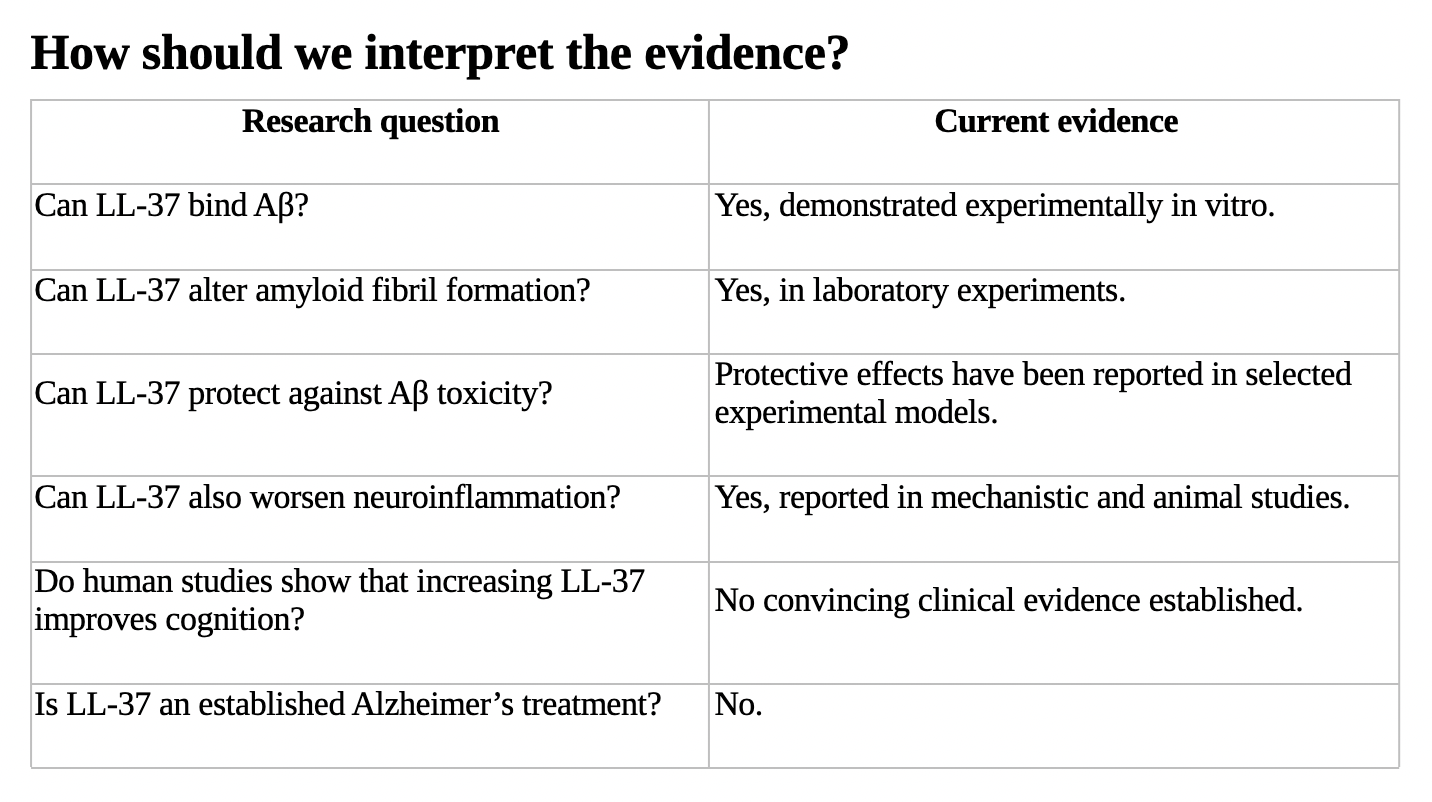
LL-37 is a promising but biologically complex research target, not a proven Alzheimer’s therapy. The 2017 amyloid-binding study and the 2024 fruit-fly preprint support potential protective effects, while the 2022 animal study and 2023 human cohort raise important concerns about excessive LL-37 activity. Together, these findings suggest that regulating LL-37 may be more relevant than simply increasing it.
Valley Integrative Health offers early diagnosis, thorough assessment and evidence based treatments for Alzheimer’s Disease.
Learn more at www.VIHclinic.com
Devin Wilson, ND is a licensed Naturopathic Doctor and Owner of Valley Integrative Health, LLC in Ashland, Oregon. With over a decade of clinical experience including 2 years of training with a John’s Hopkin’s/Yale Medical Doctor, Dr. Wilson combines naturopathic and modern medicine along with cutting-edge therapies. His enduring goal is to help people re-establish, maintain and optimize their health using a patient-centered and holistic approach.